

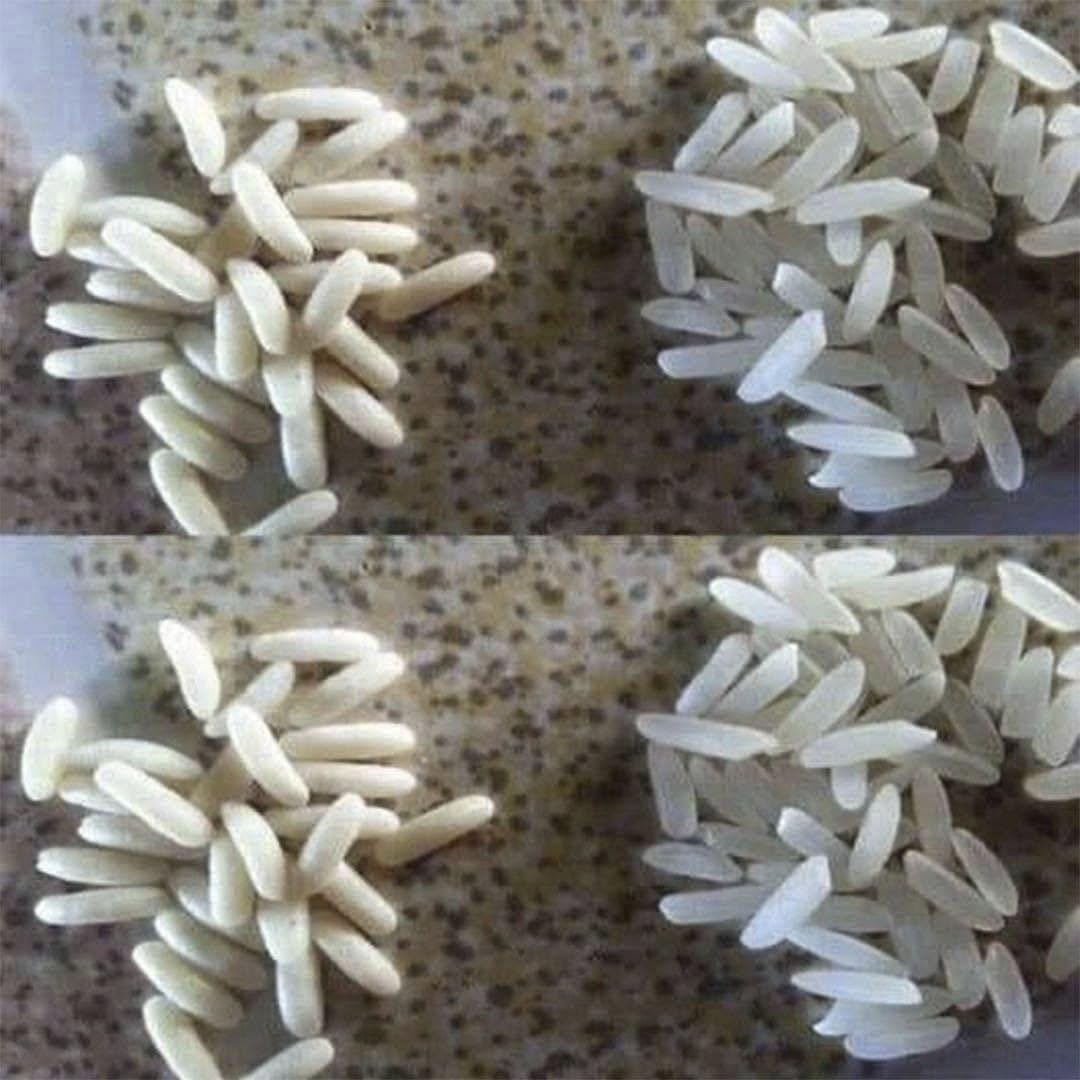
The rumor about plastic rice is circulating on social media, but home tests aren't conclusive. Learn how to safely check your rice.
Real rice or “plastic rice”: how to check the product without falling for rumors
Rice is one of the most consumed foods in the world, so any rumor about its quality generates concern. Videos shared on social media claim to teach “how to identify real rice from plastic,” using home tests such as putting it in water, burning it, or forming a ball with cooked rice.
The concern is understandable: nobody wants to consume adulterated food. But it's also important to clarify something from the beginning: many of these viral tests are not reliable for confirming whether rice is fake or made of plastic.
The responsible thing to do is to check the rice using food safety criteria: packaging, smell, texture, origin, date, storage, and how it behaves when cooked. If there is a serious suspicion, the correct course of action is not to perform dangerous tests, but to stop consuming it, keep the packaging, and report it to the appropriate authorities.
Why the Plastic Rice Rumor Went Viral
The “plastic rice” rumor has been circulating for years in various countries. It often appears with videos of machines producing grains, people burning rice, or showing cooked rice bouncing.
AFP verified a viral video that supposedly showed a machine making plastic rice, but explained that it was actually producing nutrient-fortified rice, not plastic rice.
This is important because some fortified products may have a different industrial process than traditional rice, but that doesn't mean they are plastic or unsafe.
Can Food Fraud Exist?
Yes, food fraud can exist. The FDA defines economically motivated adulteration as the practice of removing, substituting, or adding substances to a food product to make it appear more valuable or to reduce costs.
But acknowledging that food fraud exists doesn't mean claiming that all suspected rice is plastic. Confirming actual adulteration requires analysis, traceability, health inspections, and verifiable evidence.
A short video on social media isn't enough to accuse a brand, store, or supplier.
Why home tests aren't conclusive
One of the most common tests involves putting rice in water. According to some videos, if it floats, it's plastic. This isn't a reliable test.
Some grains may float because they are broken, dry, have trapped air, or due to natural differences in quality. A few grains floating doesn't prove the rice is fake.
Another viral test involves burning rice. But real rice can also burn, darken, and smell strong due to charred starch. Furthermore, burning food indoors can generate irritating smoke.
It's also said that if cooked rice forms a ball and bounces, it's plastic. That's not conclusive either. Rice contains starch, and some varieties are naturally stickier, especially if cooked with little water or compacted too much.
Real signs that rice might be spoiled
Rather than looking for "plastic," it's better to check for signs of poor quality or spoilage.
Dry rice should have a neutral or mild odor. If it smells musty, moldy, chemical, fuel, rancid, or like cleaning product, do not eat it.
Also check for insects, larvae, excessive dust, stones, foreign debris, grains with unusual colors, or particles that don't appear to be food.
The packaging should be complete, clean, and dry. Avoid buying rice in torn or wet bags, bags without labels, without a date, or without clear manufacturer information.
If, when cooked, it releases a chemical odor, doesn't soften, has an abnormal texture, or produces strange residue, it's best not to eat it.
How to check rice before buying it: Buy from reputable places. Supermarkets, small grocery stores, and shops with good stock turnover are usually safer than open or uncontrolled products.
Check the expiration or best-before date, the lot number, the brand, the country of origin, and the condition of the packaging.
Avoid open bags exposed to dust, moisture, animals, or insects.
If you buy rice in bulk, make sure the container is clean, sealed, and away from chemicals.
When buying large quantities, keep the receipt. If the product is defective, it can help you file a claim or report the issue.
How to store rice at home: Dry rice should be stored in a cool, dry, and clean place. Humidity is one of its main enemies because it promotes mold, insects, and spoilage.
Ideally, transfer it to a clean, dry, airtight container. Don't leave it on the floor or near detergents, bleach, gasoline, insecticides, or products with strong odors.
If you live in a very humid area, buy reasonable quantities. A large sack might seem cheaper, but if it becomes infested with insects or moisture,