

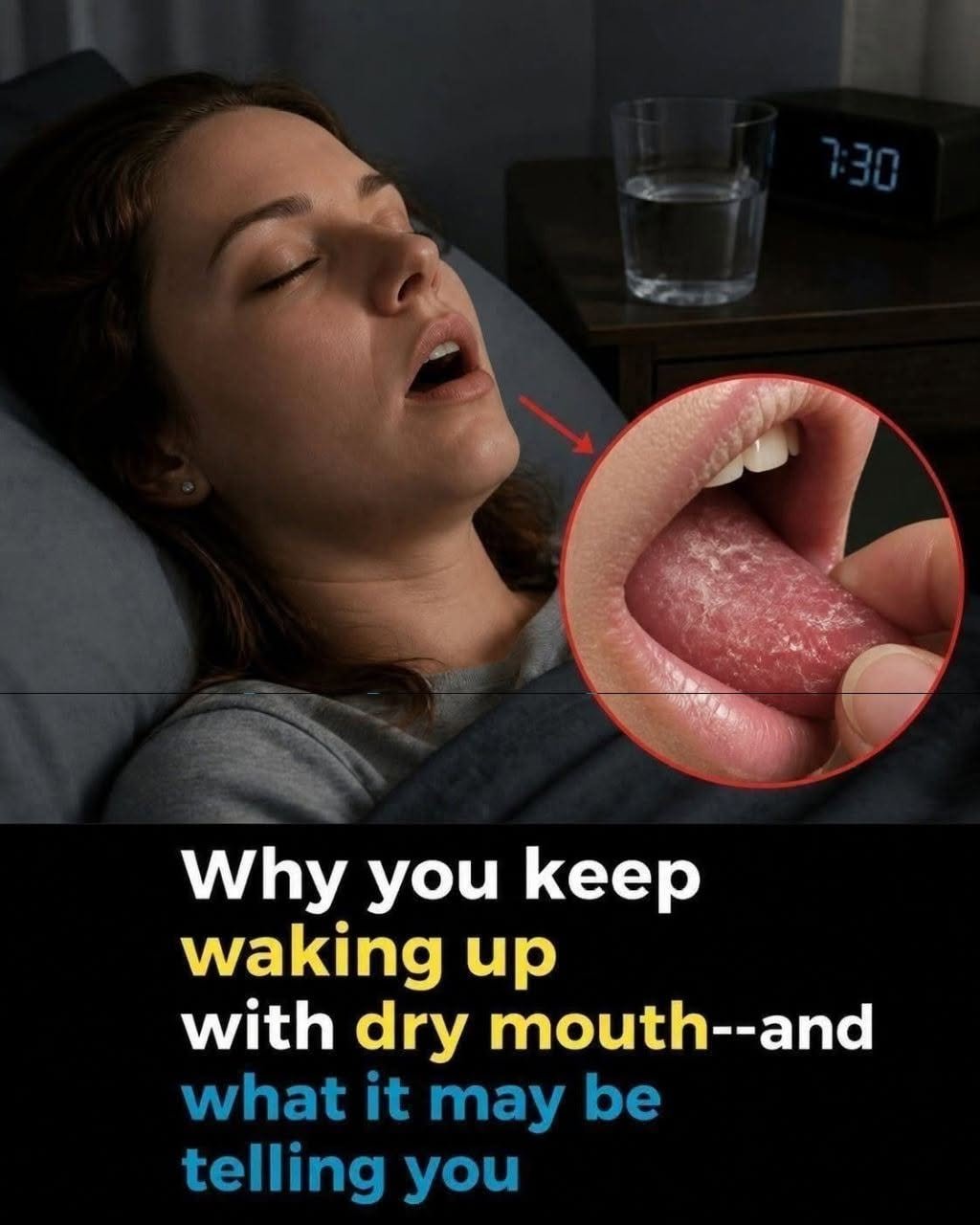
Waking Up With Dry Mouth? Here’s What Your Body Might Be Telling You
Do you wake up feeling like your mouth is completely dry? Morning dry mouth, also known as xerostomia, is common and can have many possible causes. Sometimes it is simply related to dehydration or sleeping with your mouth open, but persistent dryness can also be associated with medications, nasal congestion, snoring, sleep apnea, or certain health conditions.
Understanding the possible causes can help you recognize when simple lifestyle changes may be enough and when it may be worth speaking with a dentist or healthcare professional.
Key Signs of Dry Mouth
Dry mouth occurs when there is not enough saliva in the mouth. Common symptoms include:
A sticky or unusually dry feeling in the mouth.
Difficulty chewing, swallowing, or speaking.
A dry or sore throat.
Frequent thirst, particularly at night.
Bad breath.
Cracked lips or sores at the corners of the mouth.
A dry or rough-feeling tongue.
But why is dry mouth often much worse when you wake up? The answer may have more to do with what happens while you sleep than with what happens during the day.
There’s more to discover. Continue to the next page for the rest of this article.
Why Does Dry Mouth Happen at Night?
Saliva production naturally decreases while you sleep, so some mild dryness in the morning can be normal. However, several factors can make it much more noticeable.
Breathing Through Your Mouth
Sleeping with your mouth open allows air to pass continuously over the tissues inside your mouth, causing moisture to evaporate. People who regularly breathe through their mouths may therefore wake up with a particularly dry tongue and throat.Nasal Congestion
A blocked nose caused by allergies, a cold, sinus problems, or other nasal issues can make it difficult to breathe through the nose during sleep. This can lead to mouth breathing and increased dryness.
Snoring
Snoring is often associated with sleeping with the mouth partially open. The constant airflow can contribute to dry mouth, especially when it happens throughout the night.
Sleep Apnea
Obstructive sleep apnea can repeatedly interfere with normal breathing during sleep. People with sleep apnea may breathe through their mouths or wake up gasping for air, which can contribute to pronounced morning dryness.
If you frequently wake with severe dry mouth and also experience loud snoring, morning headaches, excessive daytime tiredness, or witnessed pauses in breathing, it is worth discussing these symptoms with a healthcare professional.
Dehydration
Not drinking enough fluids during the day can contribute to reduced saliva production. Dehydration may be more noticeable after exercise, heavy sweating, or consuming alcohol.
Medications Can Also Cause Dry Mouth
Dry mouth is a known side effect of many medications. Some commonly associated categories include:
Antihistamines
Decongestants
Some antidepressants
Some antipsychotic medications
Certain blood-pressure medications
Diuretics
Some muscle relaxants
Some bladder medications
Certain medications used for Parkinson’s disease
If you suspect that a medication is causing your dry mouth, do not stop taking it on your own. Speak with the prescribing healthcare professional about possible alternatives or adjustments.
Health Conditions Associated With Persistent Dry Mouth
Occasional dryness is usually not a reason for alarm. However, persistent or unexplained dry mouth can sometimes occur alongside certain medical conditions.Diabetes: High blood sugar can increase urination and contribute to dehydration, which may reduce saliva.
Sjögren’s syndrome: This autoimmune condition can affect the salivary and tear glands, resulting in significant dryness.
Nerve damage: Certain injuries, neurological conditions, or procedures affecting the head and neck can interfere with saliva production.
Radiation therapy: Treatment involving the head or neck can damage salivary glands and cause long-lasting dryness.
Anxiety and stress: The body’s stress response can temporarily reduce saliva production.
Dry mouth alone does not mean that you have any of these conditions. The significance depends on your other symptoms and overall health.
If the dryness keeps returning despite adequate hydration and you cannot identify an obvious cause, the pattern itself may be worth discussing with a healthcare professional.
Why You Shouldn’t Ignore Long-Term Dry Mouth
Saliva does much more than keep your mouth comfortable. It helps wash away food particles, protects tooth enamel, supports swallowing, and helps maintain a healthy oral environment.
When saliva is consistently reduced, the risk of certain oral health problems can increase, including:
Tooth decay and cavities
Bad breath
Mouth sores
Gum problems
Difficulty eating or swallowing
Oral discomfort
For that reason, persistent dry mouth deserves attention rather than being dismissed as an unavoidable part of getting older.
Simple Ways to Relieve Dry Mouth
Several everyday habits may help improve comfort:
Stay Hydrated
Drink water regularly throughout the day. Keeping water beside your bed can also be useful if you wake up thirsty.
Chew Sugar-Free Gum
Sugar-free gum or sugar-free lozenges can stimulate saliva production. Products containing xylitol may also be useful for dental health, although they should still be used appropriately.
Use a Humidifier
If the air in your bedroom is particularly dry, a humidifier may help add moisture to the environment and reduce overnight discomfort.
Limit Alcohol and Excessive Caffeine
Alcohol can contribute to dehydration, while some caffeinated drinks may also worsen the sensation of dryness for certain people. Moderation can help.Avoid Tobacco
Tobacco use can contribute to dry mouth and increase oral health risks. Avoiding tobacco is beneficial for your mouth and overall health.
Maintain Good Oral Hygiene
Brush your teeth regularly with fluoride toothpaste, clean between your teeth, and consider an alcohol-free mouthwash if you use one. Good oral hygiene becomes especially important when saliva production is reduced.
Pay Attention to Your Breathing
If you regularly wake up with an extremely dry mouth, consider whether you also have a blocked nose, chronic mouth breathing, loud snoring, or other nighttime breathing problems.
Addressing the underlying breathing issue may be more helpful than simply drinking more water.
When Should You See a Dentist or Doctor?
Consider making an appointment if dry mouth is persistent, severe, unexplained, or interfering with eating, sleeping, speaking, or daily comfort.
You should also seek medical advice if dry mouth occurs together with symptoms such as excessive thirst, frequent urination, unexplained fatigue, significant changes in weight, or symptoms suggestive of a sleep-related breathing disorder.
A dentist can also check for cavities, gum problems, mouth sores, and other consequences of reduced saliva production.
Final Thoughts
Waking up with a dry mouth does not automatically mean that something is seriously wrong. Dehydration, mouth breathing, nasal congestion, snoring, medications, and the normal reduction in saliva during sleep can all play a role.
However, persistent or severe dryness should not simply be ignored. Paying attention to accompanying symptoms can help identify whether the problem is related to your nighttime habits, medications, oral health, or another underlying issue.
So the next time you wake up reaching for a glass of water, take a moment to notice the bigger picture. Sometimes, your dry mouth is simply asking for more hydration—but when it keeps happening, it may be worth finding out why.