

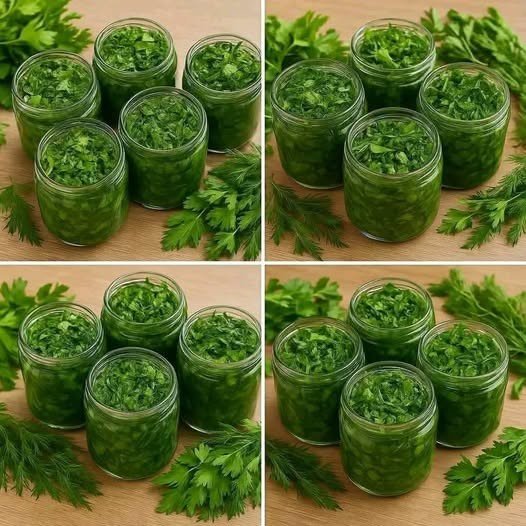
Parsley: uses in the kitchen
Parsley is an aromatic herb that is widely used in the kitchen. It has a distinctive flavor and numerous beneficial properties. It is used to add freshness and aroma to dishes and is an ingredient in various dishes across many culinary cultures.
Parsley is primarily used to flavor various dishes, such as soups, sauces, salads, meat dressings, and more. It provides a fresh, herbaceous flavor that can enhance the overall taste of dishes.
Moreover, the leaves are often used as a garnish to make dishes more attractive and to add color and elegance. Parsley is rich in essential vitamins and minerals and is a good source of vitamin K, vitamin C, vitamin A, iron, and folic acid. It is also rich in antioxidants and has diuretic properties.
In addition, plant-based substances can have anti-inflammatory and antioxidant effects. Some studies suggest that eating parsley can improve digestion, support heart health, and promote weight loss.
That is why we should never be without a good supply of parsley in our kitchens. But how do we ensure it is always fresh and stored properly? We reveal a chef's secret.
How do you store parsley?
The first step is to wash the parsley in water. Remove any leaves and stems that look dry or damaged. Then, spread the washed parsley out on several sheets of paper towels to dry.
Fill the jar halfway with water, preferably a glass jar, as this preserves food better. Then, just as you would cut flowers, immerse the parsley stems in the water in the jar. Next, cover the jar with a plastic bag, like the kind used for freezing food. Secure the plastic bag with a rubber band, which you then wrap around the top of the jar.
Cut open the two outer edges of the bag with scissors so that air can circulate. Now you can place the glass jar of parsley in the refrigerator. Ideally, place it in the bottle holder on the inside of the refrigerator door.
If you don't have enough space in your fridge, you can keep parsley fresh longer by putting it finely chopped in a glass jar. Before closing the jar, place a piece of paper towel between the lid and the opening. The jar can then be placed in the fridge, preferably upside down.